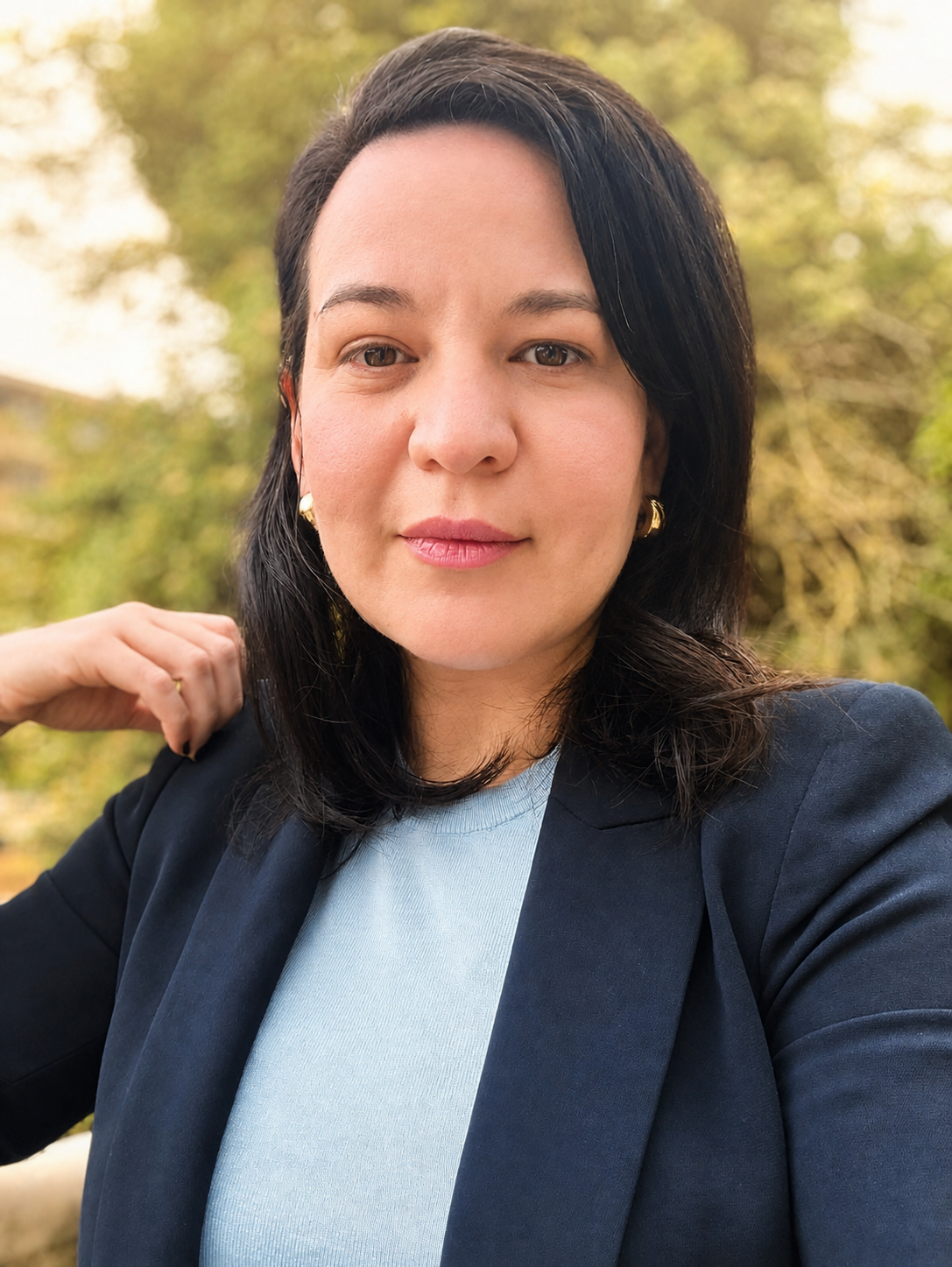
Team member
Deborah Joshi
Case Lead, product sleuth, suspicious of vague requirements
Asks annoying but useful questions: who is the actor, what changed state, where is the audit trail, and why did someone put Kubernetes in the proposal?
The Precinct
We are the tiny, over-caffeinated precinct behind The SaaS Casebook: part technical newsroom, part architecture review room, part whiteboard covered in arrows that somehow make sense by the end.
Active file
Open case: founders keep shipping dashboards before deciding what the metric means.
Team member
Case Lead, product sleuth, suspicious of vague requirements
Asks annoying but useful questions: who is the actor, what changed state, where is the audit trail, and why did someone put Kubernetes in the proposal?

Team member
Detective Stacktrace, systems analyst, AI workflow skeptic
Follows the clues through schemas, dashboards, prompts, queues, logs, and that one cron job everyone insists is temporary.
House rule A
If the design cannot explain the user, the state change, and the failure mode, it goes back under the lamp.
House rule B
Agents, copilots, and automations are welcome here, provided they bring logs, guardrails, confidence levels, and a human who can overrule them.
House rule C
We like free tiers, static builds, boring databases, and paying only when the evidence shows a real bottleneck.
SaaS mysteries with actual suspects: leaky funnels, confused workflows, expensive infra, vague AI features, brittle data models, and dashboards wearing a fake mustache.
Direct answer first. Clues second. Then actors, states, trade-offs, migration paths, and a useful summary before anyone starts naming another microservice.
Tool worship, complexity cosplay, magical AI thinking, vanity metrics, and any diagram that requires three meetings before it admits what the product does.